
Have you ever felt seen or understood by words that weren’t meant specifically for you—yet somehow landed exactly where they needed to? Sometimes it happens unexpectedly, in a fleeting moment, through a voice or an idea that puts language to something you’ve carried quietly for years.
One evening, while scrolling, I paused on a short video that stopped me cold. It wasn’t the platform or the person behind it that mattered. It was the familiarity of the message—and the way it echoed something deeply personal. In less than a minute, a piece of my childhood surfaced with clarity I hadn’t quite been able to name before.
Initially, her voice caught my attention, sounding similar to my grandma who passed away many years ago. I came upon one that resonated with me so much that I listened to it multiple times.
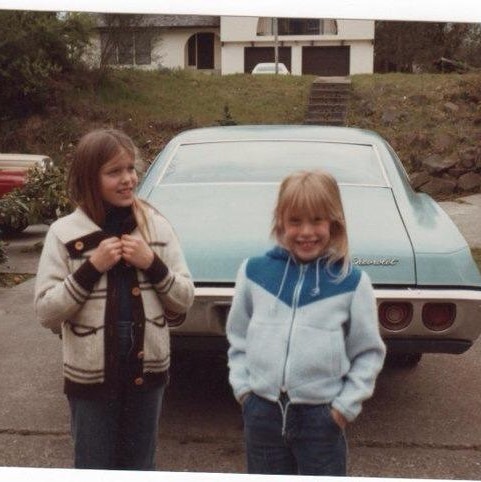
Being a latchkey kid wasn’t just about coming home to an empty house. It was about learning independence before you were ready for it. About making your own snacks, doing homework alone, and figuring out how to manage big emotions quietly. There wasn’t language for it then — it was just normal.
You learned early how to take care of yourself, how to stay out of the way, how to anticipate moods and avoid conflict. Responsibility came before reassurance. Independence came before safety. And while those skills can look like strength in adulthood, they often carry an undercurrent of vigilance that’s hard to name.
Growing up in an unpredictable, often chaotic environment teaches you how to speak carefully. You learn how to read the room, soften truths, and protect yourself by paying close attention to everyone else. Looking back, I can see how much awareness was required just to get through ordinary days — how much energy went into staying alert and adjusting myself to whatever was happening around me.
As a child, I wasn’t focused on milestones or dreams of the future. I wasn’t imagining careers or next chapters. My attention was elsewhere—on the instability, on the tension, on wondering why peace seemed so normal in other families and so elusive in mine.
Adulthood became a long process of untangling those early patterns. Years of counseling helped me recognize behaviors shaped by my upbringing and make intentional choices so they wouldn’t be passed on. Learning about alcoholism, family dynamics, and co-dependency brought clarity—and eventually, compassion. Making peace with the past didn’t happen quickly, and it didn’t happen without effort. But it did happen.
Every so often, there’s still a moment of validation—when something clicks, when an old experience finally makes sense. Those moments don’t reopen wounds; they close loops.
Moments of recognition like that don’t change the past, but they do change how you carry it. They offer context where there once was confusion. They soften self-judgment and replace it with understanding. Instead of asking, What’s wrong with me? you begin to ask, What happened to me?
That shift matters. It allows you to meet yourself with more patience — and to stop expecting perfection from someone who learned survival first. Over time, those moments of clarity add up. They don’t define you, but they do help you make sense of yourself in ways that feel grounding instead of heavy.
I believe it’s important to normalize this kind of work. Talking to someone. Seeking support. Allowing yourself to revisit old experiences with new understanding. Healing doesn’t mean you’re broken—it means you’re paying attention. Even when you’ve come a long way, there’s always room for insight, growth, and gentleness toward yourself.
There is relief on the other side of grief and anger. It doesn’t come without effort, but it does come. And we all deserve to feel heard, understood, and validated — sometimes quietly, sometimes unexpectedly, and sometimes by words we didn’t even know we were waiting for.