Mediocrity is the enemy of greatness. It’s the voice in your head that tells you to play it safe, to blend in, not to rock the boat.

Mediocrity is often described as the enemy of greatness, but that framing has never quite worked for me. It makes everything sound louder than it needs to be. In reality, mediocrity isn’t dramatic or obvious. It’s subtle. It’s the quiet voice that encourages you to stay comfortable, to blend in, to not rock the boat — not because you can’t do more, but because doing more requires attention and risk.
This realization came to me on the water.
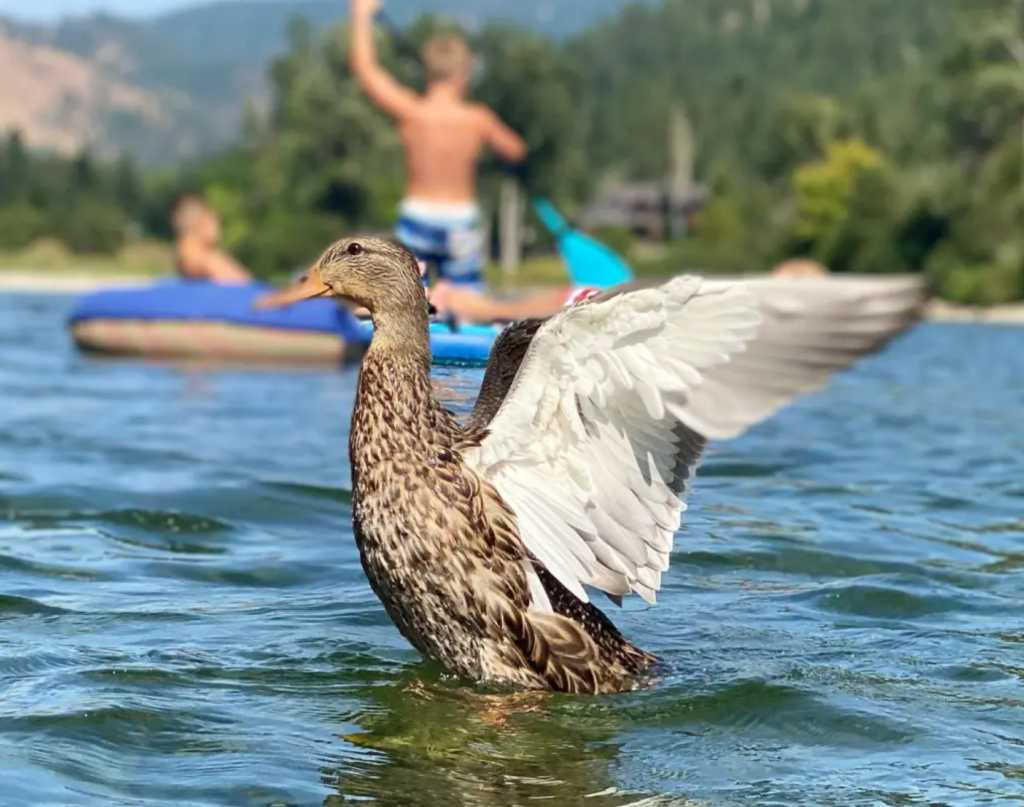
The photo that accompanies this post wasn’t planned. It was taken while I was balancing on my paddleboard, holding my phone in one hand, waiting for the mountain to come into view. It’s slightly awkward — not perfectly framed, not polished — but it captures something honest. The warmth of the sun just beginning to dip. The stillness of the lake. That brief window where everything slows.
After trail runs, I often found myself doing something impulsive. I’d reach the lake on my way home and realize I didn’t want to leave. Instead of running past it like I “should,” I’d turn around, run home, strap my board to the top of my car, and head back. It wasn’t efficient. It wasn’t planned. But it felt right.

Standing on the board, phone in hand, waiting for eagles, ducks, or the mountain to line up just right, I took more risks than I probably should have. Not reckless ones — quiet ones. The kind that ask you to trust your balance, your judgment, your willingness to fall in and climb back out if you have to.
The photo shows an unguarded moment. Not impressive. Not curated. Just present.
And that’s where the idea of mediocrity started to shift for me.
The trap of mediocrity isn’t that we stop trying. It’s that we stop listening. We default to what’s familiar because it’s efficient. Comfortable. Acceptable. We confuse safety with satisfaction. Over time, that choice dulls our awareness — not because we’ve failed, but because we’ve stopped asking ourselves what actually feels alive.
Choosing “anything but mediocre” doesn’t mean chasing constant achievement. It’s not about pushing harder or proving something to anyone else. It’s a mindset of attentiveness. Of noticing when you’re coasting instead of engaging. When you’re settling not because you want to, but because it’s easier than adjusting course.
I write this as a reminder to myself.
I know how to take risks. I’ve done it before — sometimes quietly, sometimes visibly. One of the clearest reminders sits at the bottom of the Wenatchee River, somewhere between Plain and Leavenworth, Washington. A moment that didn’t go as planned. A lesson that stayed.